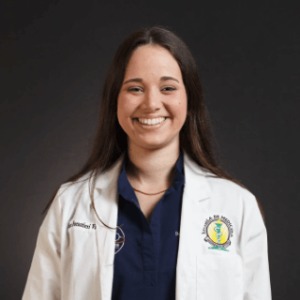


Robert B Slocum, University of Kentucky HealthCare, United States
Patients with Functional Seizures (FS) (also known as Psychogenic Non-Epileptic Seizures (PNES), have involuntary paroxysmal episodes that resemble epileptic seizures but without organic etiology. Many patients with FS have a history of sexual, physical, or emotional abuse, or ot [....] » Read More


Title : Examining the effects of prenatal neurotoxin exposure on the development of the prefrontal cortex and its impact on executive functioning and attentional capacities in children
David Joseph Sperbeck, Private practice, United States
Three groups of psychiatrically hospitalized children (N=813) ages 9-17 years old were comprehensively evaluated for executive functioning development. Included in this study were children (n-295) with confirmed prenatal alcohol exposure (PAE), children diagnosed with an ac [....] » Read More
Title : The role of compromised cerebrospinal fluid circulation in sleep apnea
Joe Sam Robinson, Mercer University, United States
Since its first literary description by Charles Dickens in 1833, followed by its first scientific description in 1949, interest in sleep disturbances has skyrocketed (over 40,000 documented scientific papers have discussed the problem). Sleep apnea, however, remains an incomplete [....] » Read More
Title : Promising novel therapeutic strategies for vascular Dementia
Yong Xiao Wang, Albany Medical College, United States
Vascular dementia (VD) has high morbidity and mortality. Diabetes is a leading factor for VD. The cellular responses and signaling mechanisms for diabetes-induced VD are largely unknown, and the current treatments for VD are neither very specific nor effective. Dysfunctions of ce [....] » Read More
Title : Compromised psychophysical orientation to the vertical gravitational constant and its role in the emergence of complex neurological and mental disorders
Ken Ware, NeuroPhysics Therapy Institute and Research Centre, Australia
The structure, organisation, and functional dynamics of the human central nervous system are critically dependent on the consistency and reliability of gravitational forces, which serve as the primary stable reference for orientation, perception, and motor coordination. As with a [....] » Read More
Title : What we don’t know about hydrocephalus and It’s management
Daniel Curry, Texas Children’s Hospital, United States
Symptomatic hydrocephalus has been treated primarily with cerebrospinal fluid (CSF) diversion since the 1950s. Ventriculoperitoneal and related shunting procedures have been highly effective at relieving acute, life-threatening elevations in intracranial pressure (ICP). However, [....] » Read More
Title : ACE-dependent Alzheimer’s Disease (AD)
Sergei M Danilov, University of Illinois, United States
An analysis of 1200+ existing missense ACE mutations revealed that >400 are predicted to be damaging and led us to hypothesize that heterozygous carriers of these loss-of-function (LoF) ACE mutations (which result in low ACE levels) may be at risk for the development of late-o [....] » Read More
Title : Spring break: A true story of hope and determination
Steven Benvenisti, Davis, Saperstein Salomon, PC, United States
Traumatic brain injury is the silent epidemic of our time. In spite of over 1.7 million people sustaining a T.B.I. every year in our country, only a very small minority of medical professionals, legal scholars, employers, educators and people understand the reality of what the su [....] » Read More
Title : Atypical presentation of Juvenile myoclonic epilepsy in a 16-year-old female: A case report
George Diaz, Memorial Healthcare Systems, United States
Background: Juvenile myoclonic epilepsy (JME) is a common idiopathic generalized epilepsy syndrome that typically manifests during adolescence, with onset most often between the ages of 12 and 18 years. It accounts for approximately 5–10% of all epilepsies and up to 26 [....] » Read More
Title : Nanoparticles passing the blood brain barrier to treat cancer, infection, and more
Thomas J Webster, Brown University, United States
Nanotechnology has revolutionized numerous industries from space exploration to medicine. This talk will emphasize how nanoparticles can be synthesized by traditional precipitation techniques or by cells to pass through the blood brain barrier to treat brain cancer, brain infecti [....] » Read More
Title : Study on the promotion of inflammation-induced premature brain injury repair by lactobacillus rhamnosus GG and related mechanisms
Li Liu, The First Affiliated Hospital of Xi'an Jiaotong University, China
Objective: This study aims to explore the role and mechanism of Lactobacillus rhamnosus GG (LGG) in alleviating brain damage caused by inflammation in premature mice. Methods: Premature mice were induced by intraperitoneal injection of lipopolysaccharide (LPS). The groups includ [....] » Read More
Title : White matter disease as a modifier of recovery potential after cardiac arrest
Ciro Ramos Estebanez, University of Illinois Chicago, United States
Survival after cardiac arrest has improved substantially with advances in resuscitation techniques and post–cardiac arrest care. However, hypoxic–ischemic brain injury (HIBI) remains a major cause of mortality and long-term neurological disability among survivors. Con [....] » Read More
Title : Desmopressin in antiplatelet-associated spontaneous intracerebral hemorrhage: A systematic review and meta-analysis
Hei Yuen Cheung, Tulane University School of Medicine, United States
Background: Desmopressin (DDAVP) has been proposed as a hemostatic adjunct in antiplatelet-associated intracerebral hemorrhage (ICH), yet evidence remains limited. Shahzad et al. [1] pooled 5 studies (598 patients) and found no reduction in hematoma expansion (HE) but significant [....] » Read More
Title : Mapping neuroplasticity in occupational therapy: Evidence-based interventions with measurable neural outcomes
Jessica Marchant, Texas Woman's University, United States
Over the past two decades, neuroscience research has increasingly demonstrated that the adult brain retains the capacity for reorganization following acquired brain injury (ABI). Despite this growing body of evidence, rehabilitation practice often shifts quickly toward compensato [....] » Read More
Title : White matter disease as a modifier of recovery potential after cardiac arrest
Ghaith Alsabbagh, University of Illinois Chicago, United States
Survival after cardiac arrest has improved substantially with advances in resuscitation techniques and post–cardiac arrest care. However, hypoxic–ischemic brain injury (HIBI) remains a major cause of mortality and long-term neurological disability among survivors. Con [....] » Read More
Title : Molecular pathogenesis of Tau disorders
Andrzej Stanislaw Cieplak, Independent researcher, United States
In the recently proposed taxonomy, tauopathies are classified according to isoform composition and lamination pattern of the protofilament core region (Shi Y et al Nature 2021, 598:359-363). Here we expand on this classification to retrace the initiating events of pathogenic fibr [....] » Read More
Title : Redefining holistic approaches in neurological drug development: Gaps and opportunities
Younok Dumortier Shin, OnusBio, United States
The concept of holistic patient care has gained traction in neurological drug development and clinical trials, emphasizing patient-focused endpoints and real-world measures of quality of life rather than purely biochemical outcomes. The key success factor here is multidisciplinar [....] » Read More
Title : Non-pharmacologic management of orthostatic hypotension in inpatient rehabilitation: A quality improvement initiative
Laura Steakin, Rehabilitation Institute at Sinai, United States
Orthostatic hypotension (OH) is frequently encountered during inpatient rehabilitation following ischemic stroke and is associated with dizziness, instability, and therapy disruption during this critical stage of neurorecovery. On our neurorehabilitation unit, OH was identified a [....] » Read More
Title : Non-pharmacologic management of orthostatic hypotension in inpatient rehabilitation: A quality improvement initiative
Mackenzie Weber, Rehabilitation Institute at Sinai, United States
Orthostatic hypotension (OH) is frequently encountered during inpatient rehabilitation following ischemic stroke and is associated with dizziness, instability, and therapy disruption during this critical stage of neurorecovery. On our neurorehabilitation unit, OH was identified a [....] » Read More
Title : The million-dollar workup
Zoe Reinus, University of Connecticut, United States
Doctors work in a paradigm of defensive medicine, defined as “the practice of recommending a diagnostic test or medical treatment that is not necessarily the best option for the patient, but mainly serves to protect the physician against the patient as potential plantiff&rd [....] » Read More
Title : The CI-HI & CICR-HI: Development and validation of patient and caregiver-reported outcome measures for Alzheimer’s disease, mild cognitive impairment, and Dementia
Matthew Rathbun, University of Rochester Center for Health + Technology (CHeT), United States
Background: As new therapies are developed across the Alzheimer’s disease (AD) continuum, it is critical that patient and caregiver-reported changes in symptomatic health are incorporated into clinical trials. The US FDA encourages the use of patient and observer-reported o [....] » Read More
Title : Population-based incidence trends of Medulloblastoma from 2009–2014: National cancer registry
Maryam Golmohammadi, UCLA Doheny Eye Institute, United States
Introduction: Medulloblastoma (MB), as a highly aggressive malignant tumor of the cerebellum, is the most common pediatric brain cancer that accounts for approximately 20% of all central nervous system (CNS) tumors in children. MB is very rare in adults. Despite recent advances i [....] » Read More
Title : Exploring retinal artery occlusion pathways to care: Could thrombolysis be implemented with current pathways?
Elena Ward, University of Liverpool, United Kingdom
Introduction: Central retinal artery occlusion (CRAO) or ocular stroke, has an incidence between 1-10 per 100,000, causing sudden and painless vision loss. Following CRAO there is an increased risk of cerebral stroke, rendering it a potential sight and life-threatening event. Int [....] » Read More
Title : The NERVE framework: AI-personalized virtual reality and closed-loop neuromodulation for trauma-linked symptom states
Dimitris Santorinaios, South London and Maudsley NHS Foundation Trust, United Kingdom
Psychiatry still relies heavily on retrospective symptom reports and static diagnostic categories, despite the fact that many clinically relevant symptoms emerge as dynamic, context-dependent brain states. This creates a major translational challenge: how can psychiatry move from [....] » Read More
Title : A structure-based strategy to target pathogenic ?-synuclein in Parkinson’s disease
Salvador Ventura, Universitat Autonoma de Barcelona, Spain
a-Synuclein (aSyn) aggregation is a key factor in neurodegeneration in Parkinson’s disease (PD). We have used the different structural properties of toxic oligomers and amyloid fibrils to identify a family of peptides that bind to these a-synuclein species with low nanomola [....] » Read More
Title : Pain management based on neuroscience and behavioral science: Towards a healthy and sustainable lifestyle
Felipe Figueroa M, Sociedad Chilena de Kinesiología en Salud Mental, Chile
The contemporary understanding of pain has evolved from a biomedical model focused on tissue damage to more integrative perspectives, supported by advances in neuroscience and behavioral science. Various studies demonstrate that pain is a multifactorial experience modulated by ne [....] » Read More
Title : Saliva-based testing in Alzheimer’s disease: How do our findings compare with existing evidence?
Gustavo Alves A dos Santos, Sao Leopoldo Mandic Araras, Brazil
Background: The demand for practical and minimally invasive biomarkers for Alzheimer’s disease (AD) has increased substantially, particularly in view of the logistical, economic, and acceptability constraints associated with cerebrospinal fluid and blood-based testing. Sali [....] » Read More
Title : Cranial ultrasound characteristics and new reference values of cerebral parameters in hospitalized neonates
Li Liu, The First Affiliated Hospital of Xi'an Jiaotong University, China
Background: We aim to investigate the incidence and perinatal risk factors of cranial ultrasound(CUS) abnormalities in hospitalized neonates,build new reference values of cerebral parameters in newborns. Methods: All CUS data of newborns hospitalized in the First Affil [....] » Read More
Title : Early intervention for childhood developmental disorders guided by correct sensory input: An integration of neurodevelopmental theory and extended reality eye-tracking technology
Luo Xun, Wenzhou Medical University, China
Background and Objective: Early identification and intervention for childhood developmental disorders, particularly autism spectrum disorder (ASD), depend on a deep understanding of sensory information processing mechanisms. Existing methods still have limitations in terms o [....] » Read More
Title : Association between healthy lifestyle and cognitive decline, all-cause mortality, and mortality from cardiovascular and cerebrovascular diseases: a 10-year population-based prospective cohort study
Junliang Yuan, Peking University Sixth Hospital, China
The association between cognitive function, healthy lifestyle, and mortality remains understudied in large Chinese cohorts. Dementia has emerged as a major predictor of mortality globally, placing immense pressure on healthcare systems and social support networks. In this nationw [....] » Read More
Title : Efficacy of rasagiline as an adjunct therapy in chronically treated Parkinson’s disease: A meta analysis
Yatri S Patel, SVP Hospital Ahmedabad, India
Background: Parkinson’s disease (PD) is a progressive neurodegenerative disorder characterized by degeneration of dopaminergic neurons in the basal ganglia, leading to disabling motor and non-motor symptoms. Long-term dopaminergic therapy, including levodopa and dopami [....] » Read More
Title : Efficacy and safety of erenumab in preventive and therapeutic treatment of patients suffering from migraine: A meta analysis
Yatri S Patel, SVP Hospital Ahmedabad, India
Background: Erenumab, (AMG 334) is a first fully human monoclonal antibody that targets and blocks the canonical Calcitonin Gene related peptide (CGRP) receptor approved for use in migraine. CGRP plays a very pivotal role in patho-physiology of migraine. The objective was to [....] » Read More
Title : Beyond the masquerade: Navigating diagnostic labyrinths and socioeconomic barriers to achieve remission in paediatric primary CNS lymphoma - A case series shaping a resource-aware neuro-oncology paradigm from a regional cancer centre in south India
Megadeepan Senthil Kumar, Kidwai Memorial Institute of Oncology, India
Background: Pediatric CNS lymphoma is exceptionally rare (<1% of childhood brain tumors), contrasting with adult PCNSL (3-4%). Its nonspecific presentation causes diagnostic delays, compounded in resource-limited settings by financial barriers to chemotherapy. We present [....] » Read More
Title : Efficacy of pharmacological and non-pharmacological therapies in reducing the disease progression in patients with Alzheimer's disease and Vascular Dementia: A systematic review and network meta-analysis of randomized control trials
Rafia Tasneem Mohammed, Osmania Medical College, India
Background: Alzheimer's disease (AD) and vascular dementia (VaD) are progressive neurodegenerative conditions characterized by functional impairment and reduced quality of life. Despite extensive research, effective treatments for these conditions remain elusive. While pharma [....] » Read More
Title : Sleep architecture disruption as an early biomarker for neurodegenerative disorders
Aditya Chauhan, Dayananda Sagar University, India
Sleep plays a crucial role in maintaining neural homeostasis, cognitive performance, and metabolic clearance within the brain. Increasing evidence suggests that alterations in sleep architecture may serve as an early biomarker for the development and progression of neurodegenerat [....] » Read More
Title : Neurobiology of the gut brain axis: Translating microbiome science into mental health care
Rahul Hajare, Sandip University, India
The gut brain axis represents a complex, bidirectional communication network integrating the enteric nervous system and the central nervous system through neural, endocrine, immune, and metabolic pathways. Beyond its anatomical connections, this dynamic system operates via the au [....] » Read More
Title : Immediate effect of high-frequency transcutaneous electrical nerve stimulation on muscle tone and range of motion in children with spastic diplegic cerebral palsy: A randomized controlled trial
Amgad Elwy, Cairo university, Egypt
Background: Spasticity is a major motor impairment in children with cerebral palsy (CP), limiting functional mobility and joint range of motion. Transcutaneous electrical nerve stimulation (TENS) has been suggested as a non-invasive modality to modulate muscle tone through s [....] » Read More
Title : Closing the gap: Translating EVT success from global trials to MENA Practice
Mirna waleed, Kafrelsheikh University, Egypt
Background: Endovascular thrombectomy (EVT) is the established standard of care for acute ischemic stroke caused by large vessel occlusion. However, real-world implementation in the Middle East and North Africa (MENA) region is challenged by disparities in healthcare resources, p [....] » Read More
Title : Revolutionizing acute stroke care: AI-assisted imaging in CT and MRI
Mirna waleed, Kafrelsheikh University, Egypt
Background: Artificial intelligence (AI)-derived software technologies have rapidly evolved to assist in the review and interpretation of neuroimaging, particularly computed tomography (CT) and magnetic resonance imaging (MRI), for patients with suspected stroke. These tools aim [....] » Read More
Title : Transforming pediatric neurodevelopment care in Angola: Clinical outcomes from early multidisciplinary intervention in children with neurodevelopmental disorders
Line Duarte, Caliomac Clinica Pediatrica, Angola
Background: Neurodevelopmental disorders (NDDs), including Autism Spectrum Disorder (ASD), developmental delays, speech and language disorders, and Attention-Deficit/Hyperactivity Disorder (ADHD), are increasingly affecting children worldwide. In Angola, limited access to special [....] » Read More
Title : Automated detection of normal-pressure hydrocephalus using DINOv2 vision transformer and DETR detection transformer technologies on CT imaging
Shalini Dandamudi, Stockdale High School, United States
Background: Normal Pressure Hydrocephalus (NPH) is a neurological condition characterized by the enlargement of the lateral ventricles in the brain despite normal cerebrospinal fluid pressure. Although this condition is treatable, it is often underdiagnosed due to its similarity [....] » Read More
Title : Comparative analysis of open vs. MIS intradural surgery- hybrid open/MIS surgeons
Sara Misku, University of Cambridge, United Kingdom
Introduction: Intradural tumours are rare and surgically challenging due to their proximity to critical neural structures. Conventional open surgery has long been the standard approach; however, minimally invasive surgery (MIS) techniques have emerged as an alternative approach a [....] » Read More

Title : Recovery sleep in an ultraweak photon environment: A unified neurorestorative paradigm across neurodegenerative and neurovascular disorders
James Z Liu, Bio-Dao Organization, United States
Background: Neurodegenerative and neurovascular disorders, including Parkinson’s disease, Alzheimer’s disease, chronic stroke, traumatic brain injury, and amyotrophic lateral sclerosis, remain major unmet clinical challenges. Although clinically distinct, these c [....] » Read More
Title : The spectrum of social authenticity: Unadulterated behavioral correlates and neuroplastic adaptation of social constructs
Onur Kis, Gazi University, Germany
1. Foundation of the Hypothesis (Conceptual Framework): This study examines human behavior along two extremes: "Unadulterated (pure) behavior" and "Constructed (simulated) social behavior." Our observations suggest that unfiltered reactions in individuals [....] » Read More
Title : Bone marrow-derived microglia may have a clinical value for treatment of Alzheimer’s disease
Beka Solomon, Tel Aviv University, Israel
The CXCRS/CXL12 axis is a major signal transduction involved in inflammation, cell migration, haematopoiesis and cell homing in the bone marrow. Inhibition of this axis with AMD3100, a reversible antagonist of CXCR4, attenuates the neuroinflammation and mobilizes endogenous hemat [....] » Read More
Title : MAPSNY.com: A platform for 3D morphological profiling and morphotyping of microglia in neuroinflammation
German Araya, Universidad del Desarrollo, Chile
Background: Neuroinflammation underlies diverse neurological and psychiatric disorders, yet current tools lack the spatial resolution to characterize region-specific microglial activation states in three dimensions. We present MAPSNY.com, a computational platform for automated 3D [....] » Read More
Title : Restless bandit test reveals a cerebellar role in adaptive decision-making
Alivia Bechler, University of Minnesota Medical School, United States
The cerebellum is classically associated with movement coordination, equilibrium, and balance, but emerging evidence suggests it also contributes to cognitive processes through its communication with the cerebrum. This study examined the role of the cerebellum in reward-based dec [....] » Read More
Title : Preliminary construct validity of the FRAMES battery across diagnostic groups and cross-cultural samples
Tanisha Mehta, University of California, United States
Background: Neurodegenerative disorders characterized by primary socioemotional dysfunction, such as frontotemporal dementia (FTD), remain difficult to accurately diagnose due to the lack of objective, standardized assessments. As a result, these patients are frequently misd [....] » Read More
Title : Global burden of childhood obesity and future multiple sclerosis incidence: A cross-national lagged correlation analysis using global burden of disease 2023 data Across
Kenny Huang, UMass Chan Medical School, United States
Background: Multiple sclerosis (MS) has historically been most common in high-income, high-latitude countries. However, childhood obesity rates are rising rapidly in middle-income and lower-income nations. The Global Burden of Disease (GBD) Study 2023, a comprehensive global heal [....] » Read More
Title : Scaling neuroimmunology care beyond the hospital: Real-world implementation of advanced infusion therapies
Gabriela Brito, Vivo Infusion, United States
Background: In 2011, Foley and Dunne described infusion site-of-care patterns for neurologic therapies, highlighting the underutilization of freestanding ambulatory infusion centers despite their potential to improve adherence, continuity of care, and provider collaboration. Over [....] » Read More
Title : A prospective study evaluating the prevalence and risk factors for cognitive impairment in neurosurgical informed consents
Jonathan Lam, Barrow Neurological Institute, United States
Introduction: Neurosurgical patients often experience symptoms that impact cognition, raising the concern patients consenting to surgery do not have the capacity to provide adequate informed consent. The Montreal Cognitive Assessment (MoCA) is a quick 30-point screening tool used [....] » Read More
Title : Decoding cognitive decline: A multimodal AI approach to distinguishing Alzheimer’s disease, Dementia with Lewy bodies, and PSP Using Tau oligomers
Pavan Patel, Stephen F. Austin High School, United States
Neurodegenerative diseases affect over 55 million people worldwide, yet accurately distinguishing Alzheimer's disease (AD), dementia with Lewy bodies (DLB), and progressive supranuclear palsy (PSP) remains difficult due to overlapping clinical symptoms and limited disease-spe [....] » Read More
Title : Decoding cognitive decline: A multimodal AI approach to distinguishing Alzheimer’s disease, Dementia with Lewy bodies, and PSP Using Tau oligomers
Shreyan Shah, William P. Clements High School, United States
Neurodegenerative diseases affect over 55 million people worldwide, yet accurately distinguishing Alzheimer's disease (AD), dementia with Lewy bodies (DLB), and progressive supranuclear palsy (PSP) remains difficult due to overlapping clinical symptoms and limited disease-spe [....] » Read More
Title : From open-loop to precision psychiatry: Integrating brain state, temporal precision, and behavioral context in neuromodulation
Daniel Lam, Rutgers Robert Wood Johnson Medical School, United States
Background: Transcranial magnetic stimulation (TMS) is an established intervention for several psychiatric disorders, including major depressive disorder; however, clinical response remains heterogeneous. Conventional neuromodulation protocols typically rely on fixed stimula [....] » Read More

Title : Elucidating neurodevelopmental trajectories in cancer with topic modeling: Revealing persistent external granule layer lineages in medulloblastoma
Saanvi Skanda Subramanian, California Institute of Technology, United States
The cerebellar rhombic lip generates cerebellar progenitors and neurons that ultimately differentiate to comprise over half of all neurons in the adult human brain. Standard clustering approaches often fragment or miss rhombic lip progenitor populations entirely due to their tran [....] » Read More

Title : Longitudinal neuropsychiatric manifestations in vanishing white matter disease: A pediatric case report
Laryssa Menezes de Souza Goncalves, Independent Pediatrician, Brazil
Background: Vanishing White Matter disease (VWM) is a rare inherited leukodystrophy characterized by progressive neurological deterioration. While motor and cognitive decline are well described, psychiatric and behavioral manifestations throughout development remain under-re [....] » Read More

Title : Therapeutic approaches for prion diseases: A systematic review
Rafaela Mingione, Universidade Santo Amaro, Brazil
Background: Prionic diseases, such as Transmissible Spongiform Encephalopathies (TSEs) and Creutzfeldt-Jakob disease (CJD), are rare and fatal neurodegenerative disorders caused by the abnormal buildup of misfolded prion protein (PrPsc). Currently there are no efficient therapies [....] » Read More

Title : A novel neuroprotective mechanism of hexaraphane (6 MSITC) derived from wasabi
Isao Okunishi, Kinjirushi Co., Ltd, Japan
Hexaraphane (HXN; 6-methylsulfinylhexyl isothiocyanate) is an isothiocyanate compound derived from the rhizomes and roots of wasabi (Eutrema japonicum). Accumulating evidence demonstrates that HXN exerts potent antioxidant, anti-inflammatory, and neuroprotective activities, suppo [....] » Read More

Title : Neurotango: The dance of social inclusion & brain connection
Maria Teresa Gil Ogliastri, Universidad Nacional Artes De Buenos Aires, Argentina
Neurotango is a therapeutic framework that integrates the principles of Dance Movement Therapy (DMT) with the rituals, interpersonal dynamics, and kinetic qualities of Argentine tango, aiming to enhance communication, social interaction, and psychophysical regulation in neurodive [....] » Read More

Title : When fatigability misleads: Acute cerebellar stroke masquerading as myasthenia gravis exacerbation
Johnathan Pagan Busigo, VA Caribbean Healthcare System, Puerto Rico
Background: Exacerbations of Myasthenia Gravis (MG) commonly present with fluctuating weakness and fatigability, often triggered by infection. However, reliance on this pattern may obscure alternative neurologic diagnoses. Distinguishing MG exacerbation from central nervous [....] » Read More

Title : Distal and proximal conduction abnormalities in acute Guillain–Barre syndrome: An NCS-based study
Adith Deva Kumar, Jawaharlal Institute of Postgraduate Medical Education and Research, India
Guillain–Barre Syndrome (GBS) is an acute immune-mediated polyradiculoneuropathy traditionally characterized by peripheral nerve involvement; however, early disease stages may reflect combined distal and proximal conduction abnormalities. While nerve conduction studies (NCS [....] » Read More

Title : Artificial intelligence-driven DWI and FLAIR for the detection of early stroke changes: A systematic review
Shari L Guerra, The Medical City, Philippines
Background: Timely detection of acute ischemic stroke is crucial for ensuring an appropriate standard of care and guiding reperfusion therapies. While MRI remains highly sensitive for identifying early ischemic changes, its interpretation is subject to inter-observer variability [....] » Read More

Title : A case of acute basilar artery territory infarct in an 86-year-old with intracranial atherosclerotic stenosis managed with balloon angioplasty and tirofiban infusion
Angela Candice Ceralde, The Medical City, Philippines
In basilar artery occlusion, clinical presentation may range from mild transient symptoms to a devastating stroke with high morbidity and mortality. This paper presents a case of an 86-year-old female who developed persistent dizziness and vomiting, with a National Institutes of [....] » Read More

Title : Je Ne Sais Quoi — Autoimmune encephalitis in a 19-year-old male: A case report
Jonathan E Sy, World Citi Medical Center, Philippines
A 19-year-old Filipino male with no significant past medical history presented with a 1-week history of intermittent headache followed by sudden right-sided weakness, vomiting, twitching, tremors, upward eye-rolling, and spasms with transient loss of consciousness and disorientat [....] » Read More

Title : Fatal Intracranial Bleed: A case of ruptured cerebral aneurysm with subarachnoid hemorrhage presenting as sudden loss of consciousness postcoitus
Princess Joy D Estrella, World Citi Medical Center, Philippines
Background: Individuals with unruptured intracranial aneurysms are usually asymptomatic. Aneurysmal rupture is frequently precipitated by sudden increase in intracranial pressure or systemic blood pressure particularly during active exertion. This case report highlights a catastr [....] » Read More

Title : Assessing the knowledge, attitude, and practices of primary care physicians in managing acute stroke patients in Metro Manila, Philippines: A cross-sectional analytical study
Camille Mariz P Guerrero, The Medical City, Philippines
Background: Primary care physicians are often the first to encounter patients with stroke, placing them in a critical role for early recognition, triage, and referral. Their competence can determine how quickly patients access life-saving treatment. Objective: This study examine [....] » Read More

Title : You should not start young: A case of a 25-year old presenting with ischemic infarcts and a chronic intracranial hemorrhage
Jerico Ryan M Pura, World Citi Medical Center, Philippines
Patient J.Y, a 25 year old male, came in due to a chief complaint of weakness and no verbal output. 2 days prior to consultation, the patient complained of occasional headaches and right-hand numbness however still apparently well at the time. It was elicited from history that th [....] » Read More

Title : Unmasking the great mimic: Diagnostic challenges and therapeutic efficacy in anti-NMDA receptor encephalitis
Vanessa Aliana Dela Rosa, World Citi Medical Center, Philippines
Introduction: Autoimmune encephalitis is a critical differential for acute neuropsychiatric syndromes, with an incidence now comparable to infectious encephalitis. Known as a "great mimic," anti-N-methyl-D-aspartate (NMDA) receptor encephalitis often presents with sympt [....] » Read More

Title : Breaking the paradigm of opportunism: A case study of cryptococcus neoformans invasion in the HIV-negative host
Vanessa Aliana Dela Rosa, World Citi Medical Center, Philippines
Background: Cryptococcal meningitis (CM) is traditionally categorized as a sentinel opportunistic infection of advanced HIV/AIDS, typically occurring when CD4 counts fall below 100 cells/µL. However, this clinical paradigm often leads to significant diagnostic delays in HIV [....] » Read More

Title : A mind under attack: A rare case of autoimmune anti-NMDA receptor encephalitis in a 19-year-old male
Divine Fajardo, World Citi Medical Center, Philippines
A 19-year-old Filipino male presented with a one-week history of intermittent headache, followed by focal neurologic symptoms including right-sided lip twitching, right-sided weakness, and vomiting. This progressed to a one-minute episode of generalized tremors, musculoskeletal s [....] » Read More

Title : The ascending storm: Clinical management of rapidly progressive AMSAN GBS with early bulbar “red flags”
Jed Hiram Rosales, World Citi Medical Center, Philippines
Introduction: Guillain-Barré Syndrome (GBS) is a rare but potentially fatal immune-mediated polyneuropathy typically characterized by symmetrical ascending paralysis. Approximately 20% to 30% of patients experience a rapid "ascending storm" of symptoms leading to [....] » Read More

Title : CNS crisis in a pediatric patient: navigating the inflammatory-vasculitic variant of pediatric Neuropsychiatric Systemic Lupus Erythematosus (NPSLE) and the role of biomarker-driven differentials
Jed Hiram Rosales, World Citi Medical Center, Philippines
Background: Neuropsychiatric Systemic Lupus Erythematosus (NPSLE) in the pediatric population is characterized by a more aggressive clinical course and higher morbidity compared to adult-onset disease. Diagnostic clarity is often obscured by the mimicry of central nervous system [....] » Read More


Title : A vascular catastrophe: A case of a 72-year-old Filipino male who developed ACS-STEMI after hemorrhagic conversion of an ischemic stroke
Miguel Quial Ordonez, World Citi Medical Center, Philippines
The patient is R.M., 72-year-old, Filipino male, who came in with a chief complaint of dizziness. Four hours prior to admission, he was walking home when he noted sudden onset non-rotatory dizziness with no associated nausea, vomiting, loss of consciousness, headaches or body wea [....] » Read More
Title : The hidden burden of migraine: Global prevalence and risk factors of depression among adult patients – A systematic review
Laura Patricia Aybar Morera , Universidad Iberoamericana, Dominican Republic
Introduction: Migraine is a chronic neurological disorder affecting more than 10% of the global population and is a leading cause of years lived with disability, particularly among young women. Major depressive disorder (MDD) is one of the most prevalent psychiatric conditio [....] » Read More
Title : Factors influencing delayed diagnosis in pediatric brain tumors with pre-diagnostic symptomatic interval and initial symptoms: A systematic review
Laura Patricia Aybar Morera , Universidad Iberoamericana, Dominican Republic
Introduction: Migraine is a chronic neurological disorder affecting more than 10% of the global population and is a leading cause of years lived with disability, particularly among young women. Major depressive disorder (MDD) is one of the most prevalent psychiatric conditio [....] » Read More
Title : Effect of amyloid-? driven blood brain barrier breakdown on hematopoietic stem cell epigenetic programming in Alzheimer’s
Vincenet Yuan, Touro College of Osteopathic Medicine, United States
Alzheimer’s disease (AD) is a progressive neurodegenerative disorder characterized by amyloid-β (Aβ) accumulation, neuroinflammation, and blood–brain barrier (BBB) dysfunction, yet the mechanisms linking central pathology to systemic immune dysregulation rem [....] » Read More
Title : Dreams, diabetes, and dysautonomia: Steroid-Responsive Encephalopathy Associated with Autoimmune Thyroiditis (SREAT) heralding a multifocal autoimmune syndrome
Camila Sofia Contreras Rojas, The University of Chicago Medicine, United States
Background: Steroid-responsive encephalopathy associated with autoimmune thyroiditis (SREAT), historically termed Hashimoto’s encephalopathy, is a clinically heterogenous syndrome characterized by subacute neuropsychiatric manifestations, elevated thyroid autoantibodie [....] » Read More
Title : Early-onset neurodegenerative phenotype in xeroderma pigmentosum type A: A two-family case series from Saudi Arabia
Razan Alkhatib, King Fahad Military Medical Complex, Saudi Arabia
Xeroderma pigmentosum type A (XPA) is a rare autosomal recessive disorder caused by defects in the nucleotide excision repair pathway, leading to impaired DNA repair following ultraviolet (UV) damage. Clinically, it is characterized by marked photosensitivity, early cutaneous cha [....] » Read More
Title : Opalski as a clinical presentation of a foramen magnum meningioma with mass-effect vertebral artery compression: A case report
Meileen Bejerano, West Metro Medical Center, Philippines
This is a rare case of a foramen magnum meningioma in a 55-year-old immunocompetent female with no comorbidities who presented with a 2-week history of gradually progressive left-sided weakness with ipsilateral hemisensory loss. The patient initially presented with left shoulder [....] » Read More