13th Edition of International Conference on Neurology and Brain Disorders
October 19-21, 2026

Aging and Neurology
Understanding aging and neurology is essential for addressing the neurological challenges that accompany aging. As individuals age, structural changes in the brain can lead to cognitive impairments, motor dysfunctions, and increased susceptibility to neurological diseases. Ongoing research is uncovering the mechanisms behind these changes, including the role of genetic factors, protein accumulation, and disrupted brain plasticity. By exploring new treatments, from neuroprotective drugs to regenerative therapies like stem cell treatments, this field is focused on mitigating the effects of aging on brain health, enhancing the brain’s ability to recover, and improving the overall well-being of older adults. The integration of advanced neuroimaging techniques is also allowing for better understanding of brain aging in real-time, aiding in more precise diagnosis and treatment. These efforts promise to make significant strides in preserving neurological function in older populations.

Ken Ware
NeuroPhysics Therapy Institute and Research Centre, Australia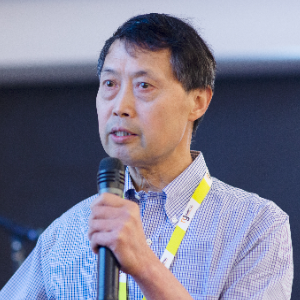
Yong Xiao Wang
Albany Medical College, United States
Joe Sam Robinson
Mercer University, United States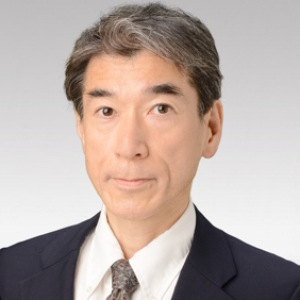
Toru Kondo
Hokkaido University, Japan
Isao Okunishi
Kinjirushi Co., Ltd, Japan
Thomas J Webster
Brown University, United States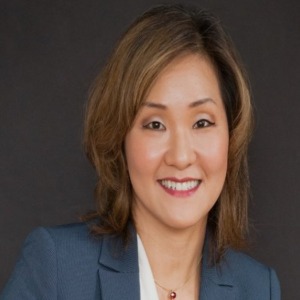
Younok Dumortier Shin
OnusBio, United StatesSubmit your abstract Today


Title : Spring break: A true story of hope and determination
Steven Benvenisti, Davis, Saperstein Salomon, PC, United States
Title : The role of compromised cerebrospinal fluid circulation in sleep apnea
Joe Sam Robinson, Mercer University, United States
Title : ADNP regulates cortical development: Mechanism of ADNP syndrome/autism
Kazuhito Toyooka, Drexel University College of Medicine, United States
Title : Nervous system effects in chemicals with immediately dangerous to life or health values
Sudha P Pandalai, National Institute for Occupational Safety and Health, United States
Title : Clinical outcomes of AI-augmented cognitive rehabilitation in dementia and mild cognitive impairment
Esra Al, NewDays, United States
Title : Atypical presentation of Juvenile myoclonic epilepsy in a 16-year-old female: A case report
George Diaz, Memorial Healthcare Systems, United States